Two guests need help at once
The phone rings just as a guest arrives at the host stand. Both people have a reasonable expectation of being acknowledged. The employee has one voice and a decision to make, usually while something else is also happening.
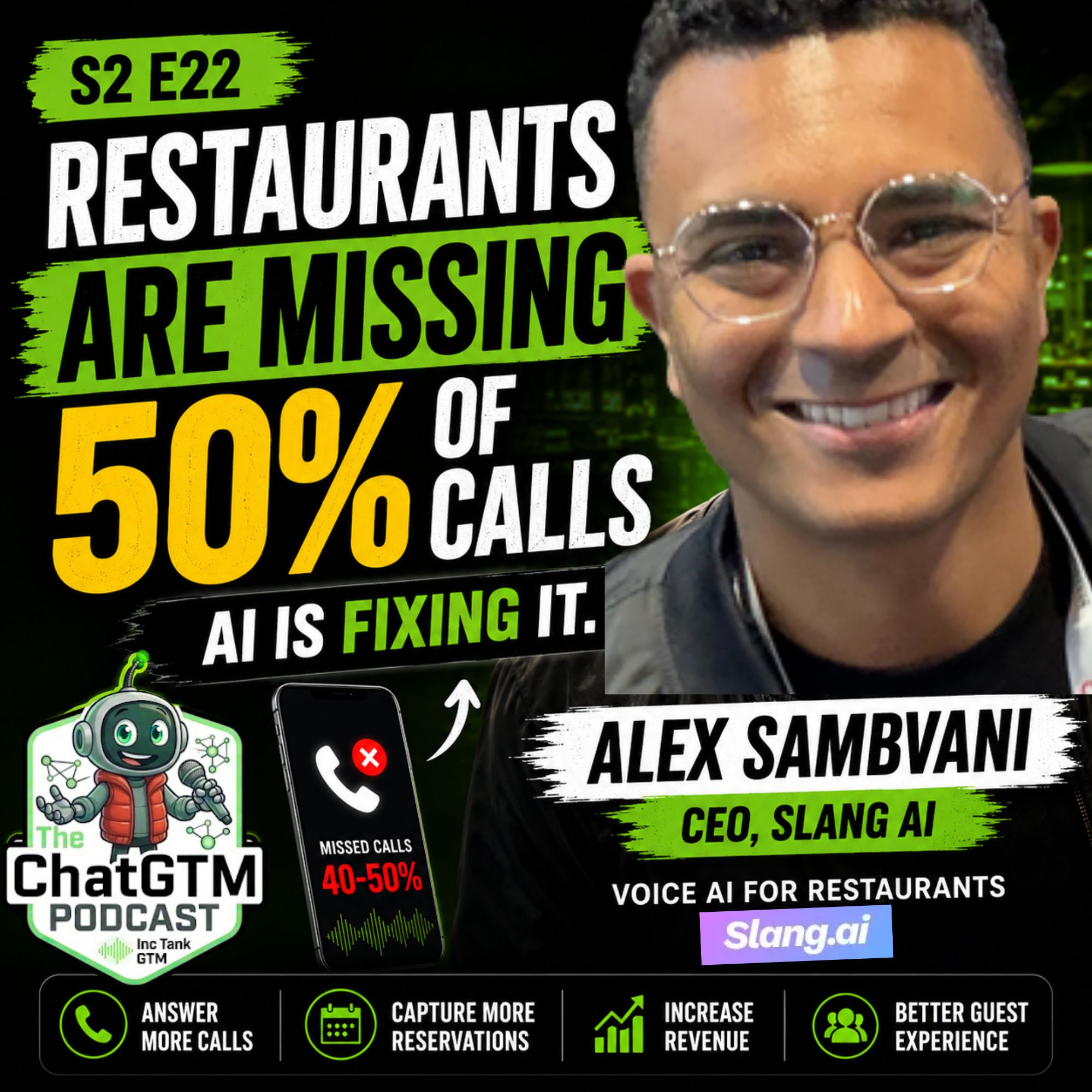
Alex Sambvani, CEO and co-founder of Slang AI, puts that collision at the center of his ChatGTM conversation with Michael Beck and Chad Horn. Recorded at the National Restaurant Association Show, the discussion looks at voice AI through the work of a full-service restaurant: answering questions, handling reservations and capturing private-event inquiries.
The useful test is what happens to those guests and to the team serving them. A polished voice demonstration does not answer whether a caller gets what they need, whether an inquiry reaches the right person or whether the host has more attention available for the front door.
Follow the request beyond the conversation
Sambvani discusses connections with reservation and private-event systems, including OpenTable and Tripleseat. His point about private events is particularly practical: collecting an inquiry only begins the work. The restaurant also needs to respond while the person planning the event is still considering its options.
That makes the handoff part of the product. If information lands somewhere the events team does not monitor, the caller may have received a pleasant conversation without receiving useful progress. Operators should test where the request appears, which details arrive and who is responsible for following up.
The same review should include less tidy calls. Someone may be upset, ask a question outside the usual script or need a person. Define the route for those cases before judging the system on how well it answers routine opening-hours questions. An answer rate is useful, but it is not the entire guest experience.
Warmth does not require pretending
Sambvani describes wanting conversations to feel natural while still making clear that the caller is speaking with AI. He explicitly rejects confusing or tricking people into believing they have reached a human.
That is a valuable boundary for a hospitality brand. A system can be welcoming, responsive and clear about what it is. It can also avoid performing a level of familiarity that the guest has not invited. The goal is to help the caller accomplish something, not win a contest in which the caller fails to identify the technology.
The conversation explores how tone should respond to the situation. An irritated guest should not receive the same breezy rhythm as someone asking a simple question. For a restaurant evaluating the experience, realistic test calls matter: a changed plan, a misunderstood request and a frustrated caller reveal more than a single ideal exchange.
Language also needs local feedback. Sambvani describes seeking customer input on Spanish voices and regional expectations. A language setting alone does not establish that the conversation will feel appropriate to the people using it.
Listen to the people beside the phone
Sambvani says frontline employees can become strong supporters when they experience fewer phone interruptions and hear positive guest feedback. That is his account of customers' experiences, rather than a promise that every rollout produces the same response.
It does identify an important group to include in an evaluation. The host team knows which questions recur, which calls require judgment and which details are likely to be wrong when hours or policies change. Their feedback should shape the setup and the ongoing review.
Ask what work actually disappeared and what new work appeared. A tool that takes calls but leaves employees untangling misunderstood requests has moved effort rather than necessarily reduced it. Look at the complete shift, including the quality of the welcome available to arriving guests.
Measure the experience as it develops
Sambvani describes guest satisfaction and customers continuing to use Slang as they grow as important signals for his business. He also discusses tracking callers who initially want to bypass AI. Those measures provide different perspectives on whether the product is earning acceptance.
For operators, a grounded review can combine call outcomes, guest feedback, completed handoffs and staff experience. Establish a baseline, look at comparable periods and examine exceptions. Capturing more demand only becomes commercial value when the restaurant can serve it well.
The episode also includes ambitions for broader channels and deeper personalization. Those ideas should be understood as the direction discussed during the interview, not assumed features of every installation. The immediate standard remains concrete: the caller gets useful help, the team knows what happens next and the person at the front door receives a proper welcome.