A familiar restaurant, an unfamiliar welcome
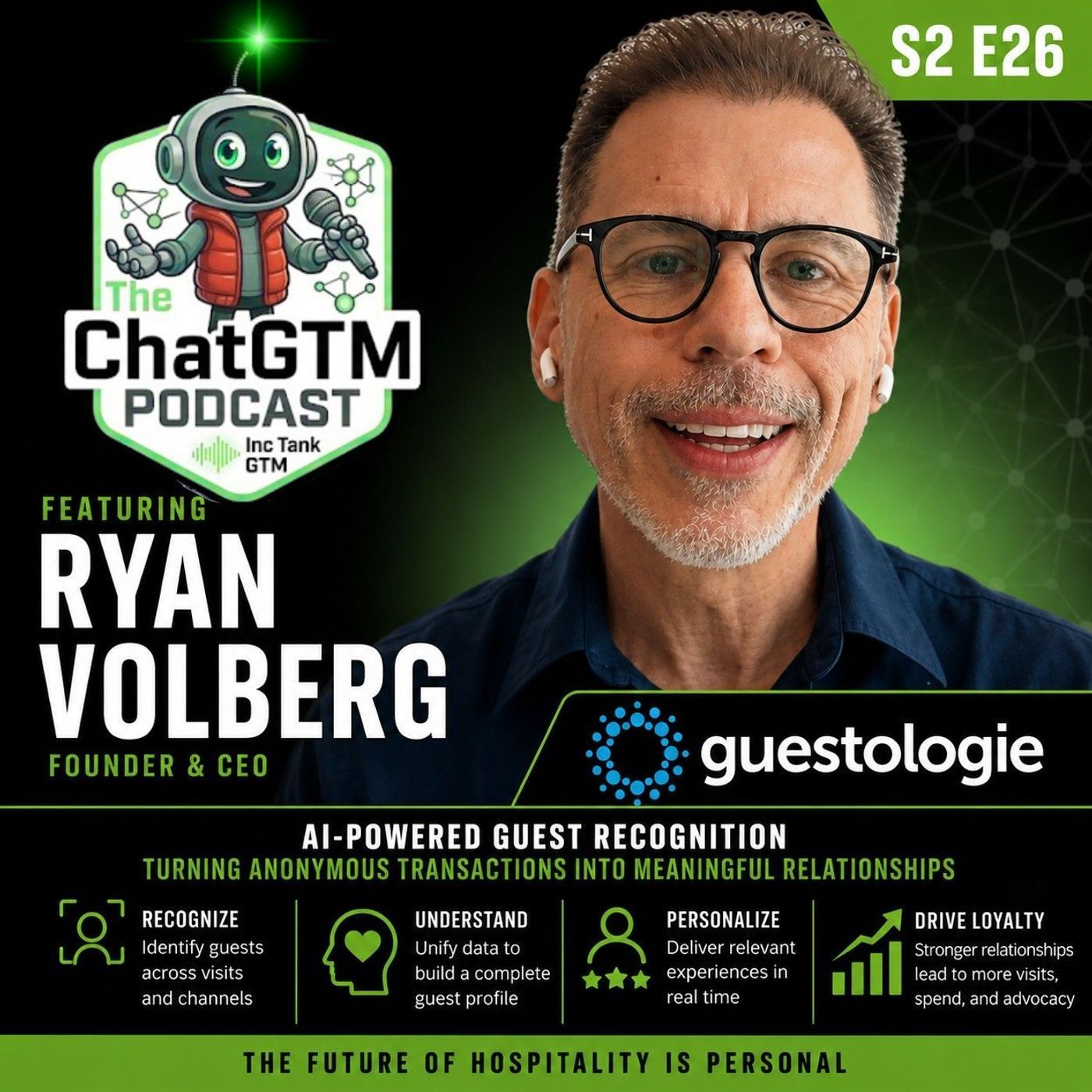
Ryan Volberg remembers arriving at an Earls restaurant with his wife for their Friday date night. He had been there many times. A friendly server asked whether it was their first visit. The question was perfectly reasonable for the server and strangely disappointing for the regular.
In his ChatGTM conversation with Michael Beck and Chad Horn, Volberg does not blame that employee. The restaurant had information about his visits. The person welcoming him did not have it in a form that helped at the table. That gap became part of the origin story for Guestologie.
Recognition can fail even when the data exists. A reservation note, a guest profile and a payment history do very little for hospitality if they remain somewhere behind the person trying to deliver it. The work is getting an appropriate piece of information to the right employee while it can still improve the visit.
Loyalty has a memory
Volberg distinguishes a relationship with a restaurant from participation in its rewards program. Points can encourage another purchase. Remembering a guest can give that purchase a different meaning. The two can coexist, but counting one does not automatically tell an operator much about the other.
Consider the regular whose relationship lives largely in a bartender's memory. The bartender knows a preference, recognizes a companion or understands why the guest visits on a particular night. If that employee leaves, the restaurant may retain the transaction history while losing much of the experience that made the guest return.
This creates an operating question beyond whether the business has a loyalty platform. Which parts of a guest relationship can the team preserve responsibly, and which depend entirely on one individual being on shift? Useful knowledge needs continuity without turning service into a recital from a customer file.
The information needs to arrive before the bill
Volberg talks about recognizing a returning guest when they arrive, rather than identifying them only after payment. Timing changes what the team can do. Information that appears at checkout may help a later analysis, but it cannot change a welcome that already happened.
He describes Guestologie as a way to make relationship information more useful to busy restaurant teams. The underlying problem is familiar even without a particular product: a manager cannot memorize every person, every preference and every visit across a high-volume dining room.
An operator can examine that problem by following one returning guest through a normal visit. Notice what the host can see, what reaches the server and where context disappears. Then choose one useful handoff to improve. A small, reliable cue can help more than a dense profile nobody has time to read.
The cue should support the employee's judgment. It might help them avoid asking a familiar guest to start from zero, or give them a reason to check a previously shared preference. It should leave room for the guest to want something different today.
Recognition should feel like hospitality
The conversation also acknowledges how easily personalization can become uncomfortable. The fact that information can be assembled does not make it appropriate to announce across a table. Guests have different expectations about what a restaurant should remember and how that knowledge should appear.
Volberg discusses boundaries around information access and the importance of context. The practical application is restraint: use information the guest has chosen to share, respect their preferences and give employees clear guidance about what belongs in a service interaction. A warm welcome does not require a demonstration of how much the business knows.
Teams also need a way to correct information. Preferences change, companions change and an old note may have lost its meaning. Treating a profile as permanent truth can produce a worse interaction than having no profile at all. Recognition works best when the person in front of the team remains more important than the record.
Give the relationship somewhere to go
Volberg's argument is that repeat business deserves deliberate attention alongside new-customer acquisition. A restaurant can spend heavily inviting people through the door and still make a returning guest feel as though the previous visits never happened.
For operators, the useful starting point is not an elaborate promise of predictive service. It is a specific moment the team can improve: recognizing a return, following up on a request or carrying context between shifts. Define what helpful looks like and listen to both guests and employees as that practice develops.
A guest should not need to explain the entire relationship each time they sit down. The restaurant earns something when another visit feels like a continuation. That is a small human outcome, and a demanding operational one.