The company changed while the title stayed the same
A founder can remain CEO while the work beneath that title changes completely. Early on, the business may depend on the founder's ideas and direct involvement. As it grows, the same habit can make every decision wait for one person.
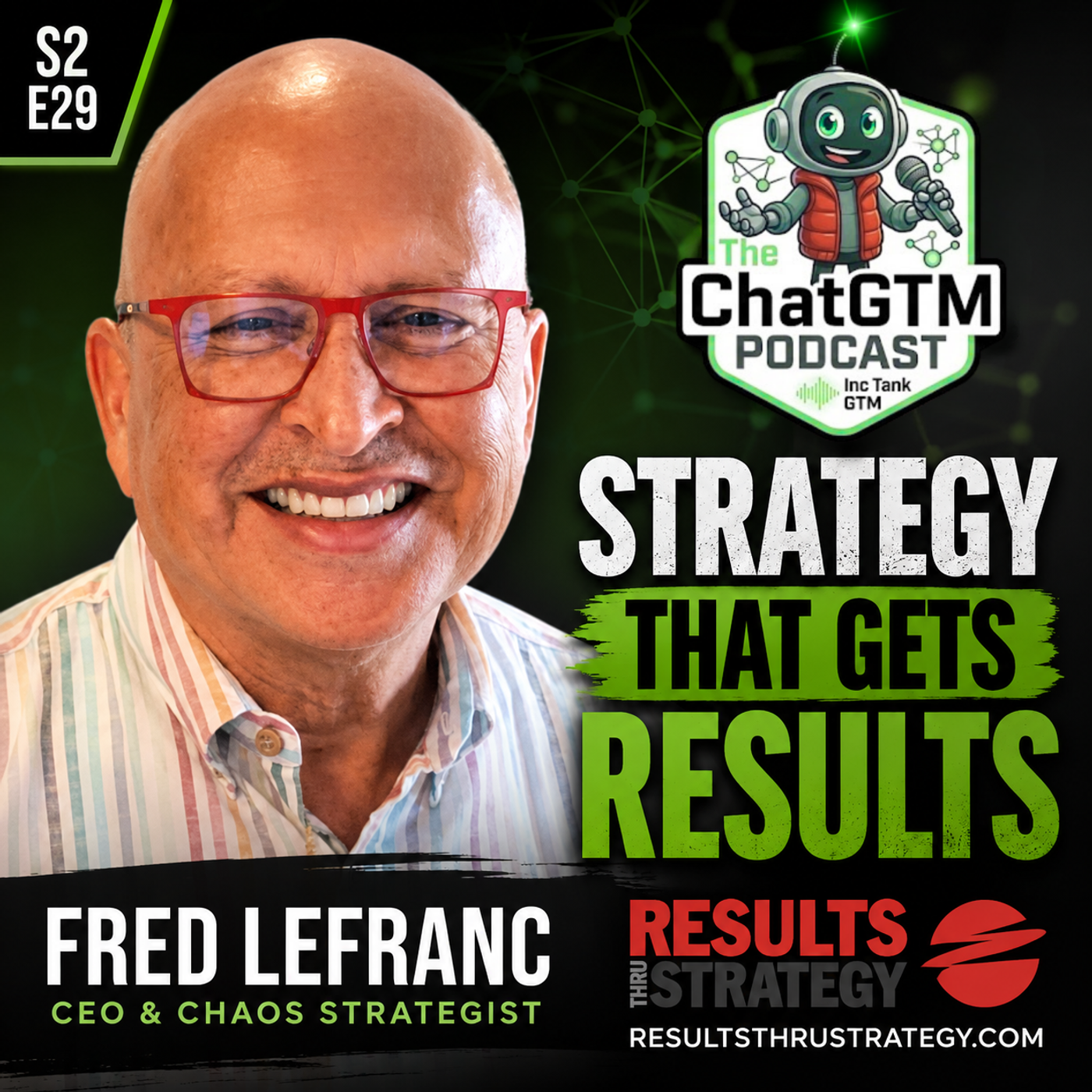
Fred LeFranc puts that transition at the center of his ChatGTM conversation with Michael Beck and Chad Horn. The Results Thru Strategy leader and self-described Chaos Strategist works with people navigating growth and difficult periods. He describes the need to move from being the source of ideas to cultivating ideas wherever they appear.
That change asks for more than delegation on an organization chart. It asks a leader to become comfortable hearing a better answer from someone else, to develop the people expected to act and to examine whether their own behavior is keeping the business dependent on them.
Ask the question before announcing the answer
LeFranc offers a recognizable meeting scene. A CEO enters, describes what the company will do and then asks the group for thoughts. The room goes quiet. It is an efficient way to announce a decision, but a weak way to learn what the team knows.
His recommendation is to speak last. Ask the question, listen to the different perspectives and use follow-up questions before making the decision. The leader remains responsible for the outcome, but benefits from information that an early pronouncement can suppress.
Try that with a live operating issue rather than an abstract discussion about empowerment. State the problem and the constraints. Ask the people closest to the work what they are seeing. Give them room to disagree with one another and with your initial assumption. The useful result is a more informed choice, not a performance in which everyone guesses the answer already preferred by the person at the head of the table.
Stay with the tension long enough to understand it
LeFranc uses the phrase staying in the fire to describe remaining with competing demands rather than reaching for an easy escape. Restaurants need appealing food and disciplined food costs. They need attentive service and a workable labor model. Declaring one side the winner can conceal the work required to make the business function.
His broader conversation includes control, uncertainty and the internal experience of leadership. He describes how giving other people meaningful responsibility can improve the outcome a controlling leader was trying to secure alone. The paradox is that holding every decision tightly can limit the organization's ability to respond.
For an operating team, the practical question is where a supposed either-or choice needs better design. Which parts of the guest experience matter most? Where does unnecessary complexity consume labor? What decision could a trained manager make without waiting? Working through those details is more demanding than repeating a priority, but it creates options the slogan cannot.
Look at the guest journey and the employee journey together
When discussing turnaround work, LeFranc says he looks closely at what guests experience consistently. He then examines the employee experience, because those employees are responsible for delivering the service the business wants guests to value.
He challenges broad claims about valuing people by asking about tangible conditions: hiring, pay, incentives, support and the work itself. A statement that employees matter should be visible in how the organization treats them. He also values the data, while looking for the operating experiences that help explain what the numbers show.
A useful review can follow the two journeys through the same moment. When a guest waits for help, what is the employee dealing with? When a new employee struggles, what instruction or support was available? This does not remove accountability. It gives the team a more complete explanation of the result and a better basis for deciding what to improve.
Make development part of the strategy
LeFranc speaks personally about adversity, relationships and learning to be more present. The conversation makes room for the person carrying the leadership role, rather than treating the role as a permanent state of confidence. He is interested in how leaders understand themselves and how that understanding affects the people around them.
His experience with mentors also informs his emphasis on developing others. He remembers leaders who exposed him to opportunities and drew more from him than he could see at the time. The leader who creates that opportunity gives the organization more capability than one who remains indispensable to every answer.
The next stage of a founder's job may therefore begin with a very ordinary change: a different meeting, a better question or a responsibility handed over with real support. The title can stay. What needs to grow is the number of people able to make good decisions when the founder is not in the room.