The number that changes the conversation
A limited-time shake can miss a sales target and still deserve a second look. Perhaps it introduced the restaurant to new guests. Perhaps it brought back people who had stopped ordering. Revenue tells part of the story, but it does not explain all of the customer behavior behind it.
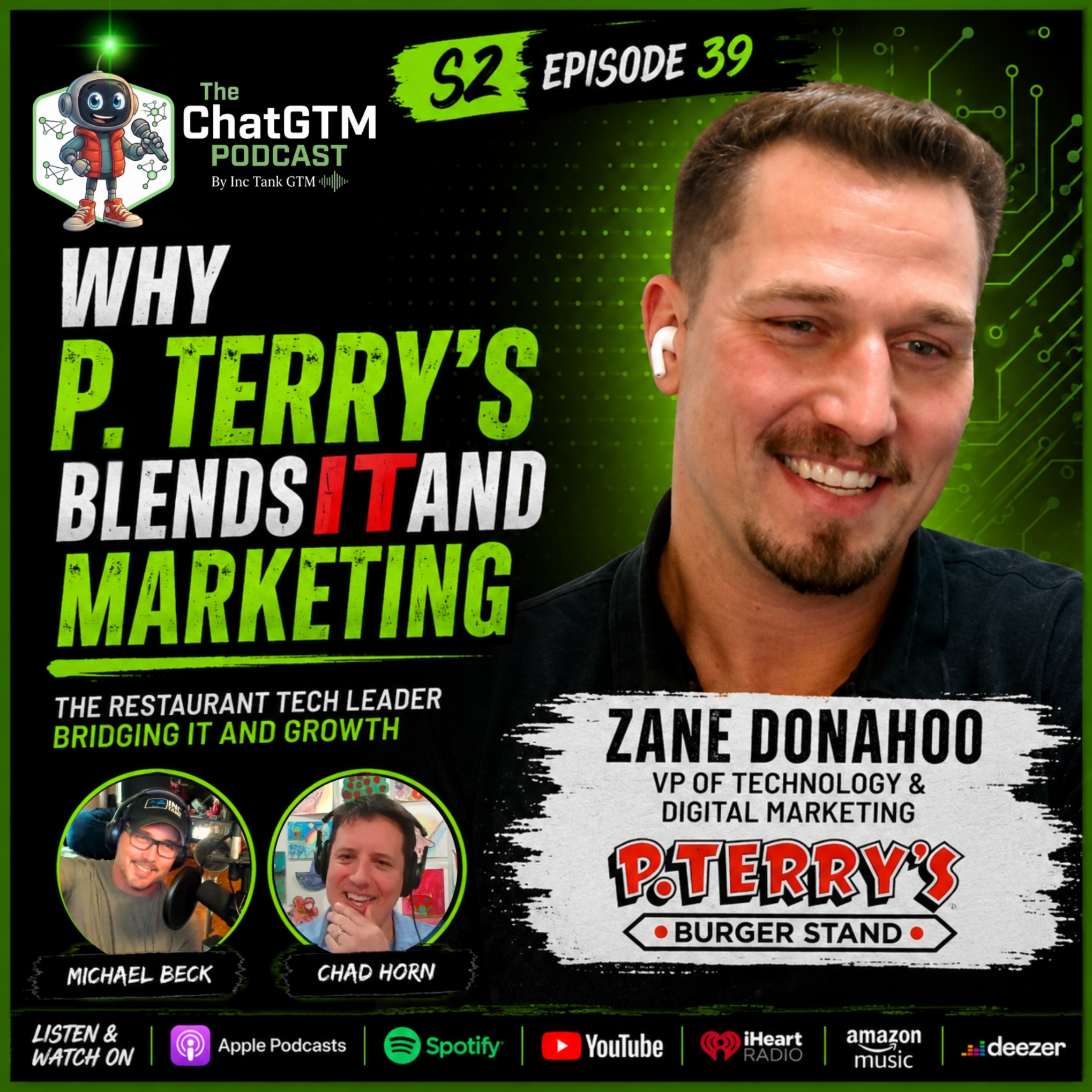
Zane Donahoo uses that example in his ChatGTM conversation with Michael Beck and Chad Horn. At P. Terry's, his responsibilities connect technology with digital marketing, giving him a view of both the campaign and the systems needed to understand its effect. He wants to know who responded, what they did and whether they returned.
That changes the questions asked after a promotion. A campaign that creates an immediate sales increase and a campaign that introduces future regulars may contribute in different ways. Neither outcome should be assumed from a busy day or a strong-looking dashboard. The reporting needs enough context to distinguish them.
Tell the technology team why the discount code matters
Donahoo recalls a familiar disconnect: technology teams receive configuration requests without knowing the marketing question those requests are meant to answer. A discount mapping can look like housekeeping until someone explains that it will make a campaign traceable across orders and reporting systems.
Communicating that purpose changes the relationship. In his account, the technical team becomes interested in the campaign results because its work now has a visible connection to the business. The request has an outcome attached to it, rather than arriving as another unexplained item in a queue.
His background also helps him combine information that might otherwise remain in separate platform reports. Manually assembling those reports can take enough time that a team settles for a superficial conclusion and moves on. A more connected approach makes it easier to keep asking what happened after the initial transaction.
For a marketing team planning its next promotion, the practical application starts before launch. Decide which question the campaign should answer and which identifiers will make that answer possible. Agree on the reporting window, the definition of a new guest and the follow-up period for repeat visits. Those choices are much harder to reconstruct after the campaign ends.
Use the tools you have with a clear purpose
P. Terry's had been reluctant to introduce a conventional loyalty program centered on constant discounts. Donahoo describes using its online ordering app, website promotions and email subscriptions to create a more direct connection with interested customers. He is careful to say that this is not a complete replacement for every function of a loyalty platform.
The value of the example lies in the sequence. The business had a preference about its brand and customer relationship. Donahoo looked at the available tools and found a way to move toward that goal. Purchasing a new category of software was not the first decision.
He also describes consolidating third-party orders that had previously arrived on multiple tablets. In another part of the business, centralized listings and review tools reduce the number of places a small team must visit to maintain information and respond to guests. Each example begins with work that was fragmented across systems.
An operator can apply the same thinking by listing the handoffs around a campaign: where the offer is created, how the guest sees it, how the order arrives and where the result is measured. Look first for duplicated effort and missing connections. A tool earns its place when it improves that actual path.
Reach is also a question about data
Combining the technology and marketing responsibilities creates tension as well as opportunity. Donahoo describes the excitement of reaching a large audience through a new service, followed by the questions his security background makes him ask: how will those people be reached, what information will be used and is the approach appropriate for the business?
He brings a similar approach to AI. Rather than grant broad access immediately, he describes reviewing terms, starting with a smaller group and examining the particular use case. His account is a reminder that a product's general promise does not explain every data decision inside a proposed workflow.
Useful campaign reporting therefore includes discipline about inputs. Knowing which systems supplied a number and what that number represents is part of understanding the result. More data is only helpful when the team can explain its origin, limitations and relevance to the decision being made.
Donahoo also gives his team permission to slow him down. An exciting idea has to compete with existing commitments and the capacity of the people doing the work. That may be the most practical leadership habit in the conversation. Better measurement creates more possibilities, but a team still needs to choose which question to answer next. For the next shake promotion, start with the guest behavior you want to understand, then build only the reporting necessary to see it clearly.