
The screen is already part of the room
A restaurant can agonize over lighting, music and menu design, then let a television above the bar make an entirely different set of creative decisions. The room promises a good time. The screen offers a silent argument or a breaking-news disaster. Nobody ordered either of those.
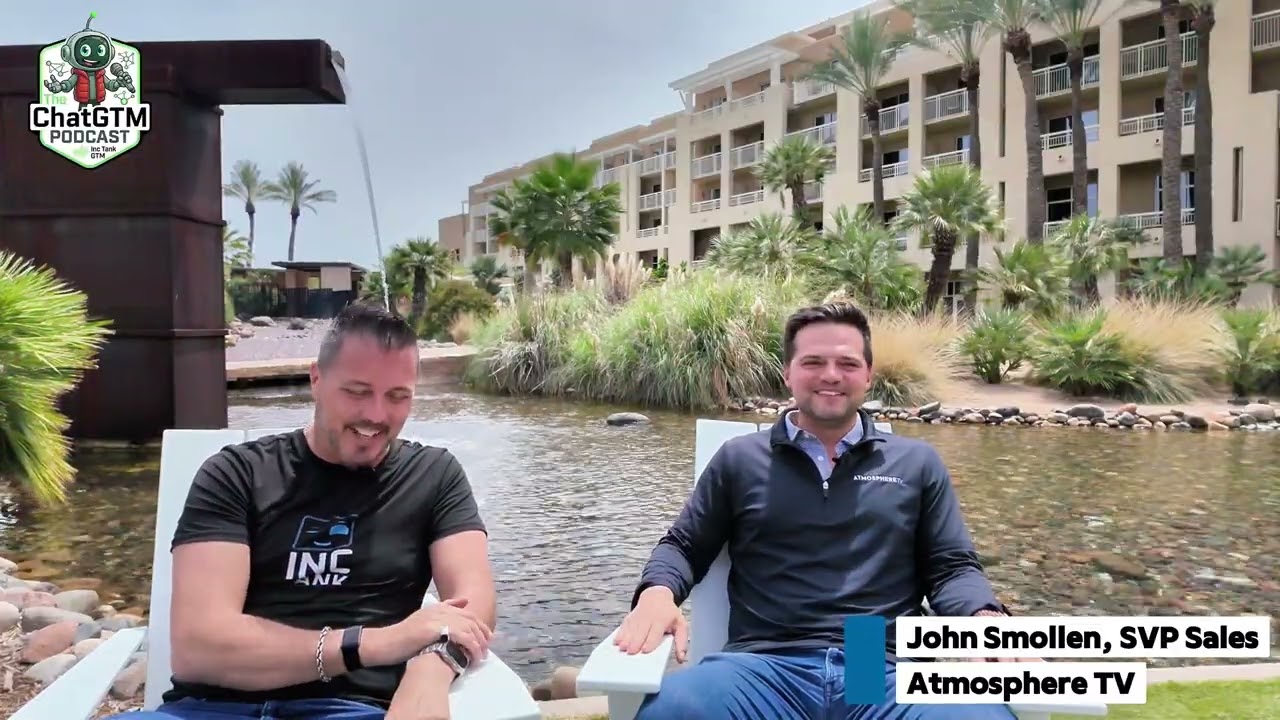
That mismatch sits at the heart of John Smolen’s conversation with Beck at the Restaurant Leadership Conference. Smolen, of Atmosphere TV, describes a business built around a fairly ordinary observation: a television can be switched on without doing anything useful for the people sitting beneath it. The equipment is working. The experience may not be.
His story is also a useful way to think about the conference itself. Screens and events both create opportunities for attention. What happens inside that opportunity depends on the care someone takes to shape it.
Working equipment can still be wasted opportunity
Smolen recounts Atmosphere’s founders sitting in a bar where one television showed a courtroom program without sound and another carried the news. Nothing was technically broken. But the content had not been chosen for the setting or for guests trying to unwind. The founding insight was less about supplying another screen and more about giving the existing screen a better job.
He describes Chive TV, the company’s original channel, as a curated selection of entertaining internet videos. At the time of the interview, he says Atmosphere offered 40 channels and served settings including restaurants, bars and gyms. His point is the fit between the content and the environment, particularly when live sports are not on.
For an operator, that suggests a practical audit before another purchase. Sit where a guest sits during an ordinary afternoon. Look at every visible screen. Does the material make sense without audio? Does it fit the atmosphere the team is working to create? Is someone responsible for that choice, or has the remote become an unofficial management position?
Smolen talks about making people smile while they wait, and the possibility of guests staying longer or ordering again. Those are the intended benefits he describes, not a measured revenue result established in this interview. An operator should test the experience and business outcome rather than assume that a screen change guarantees a sales lift.
The conference lesson hiding in four small breakfasts
The conversation becomes particularly useful when Beck asks what Smolen learned from his first RLC. Smolen says Atmosphere had grown from serving individual local businesses into supporting larger restaurant groups. Attending a leadership event required a different approach from working a conventional trade show floor. Simply arriving was not enough.
By his third visit, he was putting more thought into the activities around the formal program: arranging something enjoyable, building relationships with other partners, and making introductions. His most memorable adjustment is almost comically practical. Instead of taking one large breakfast and staying at one table, he takes smaller portions and joins different tables.
The point is not to turn breakfast into a relentless prospecting circuit. It is to notice where people are comfortable talking. A shared meal provides a different opening from a rushed exchange beside a booth. So does a hike. Smolen describes the event’s Arizona hike as an activity he genuinely enjoys that also creates room for casual conversation.
The useful operating principle is to plan for participation. If every hour belongs to the booth, the calendar can prevent the very relationships the trip was supposed to create. Preparation should include the places where a conversation can become something more than a pitch.
Familiarity needs something real behind it
Beck and Smolen talk about seeing the same people repeatedly, often over meals or at events outside the exhibition floor. Familiarity accumulates. Introductions become easier. People begin to know each other as more than a name on a badge.
For a vendor, that changes what a successful event can look like. An immediate meeting matters, but so can understanding another partner’s work well enough to make a useful introduction later. The interview does not offer a formula for attributing those relationships to revenue. It offers a reminder that the relationship has to exist before there is anything to attribute.
That brings the conversation back to the restaurant screen. In both settings, attention is already available. The mistake is assuming that occupying the space means making good use of it. A television needs content appropriate to the room. A conference presence needs participation appropriate to the people. Neither improves merely because someone paid to be there.

