A brighter menu still needs a reason to change
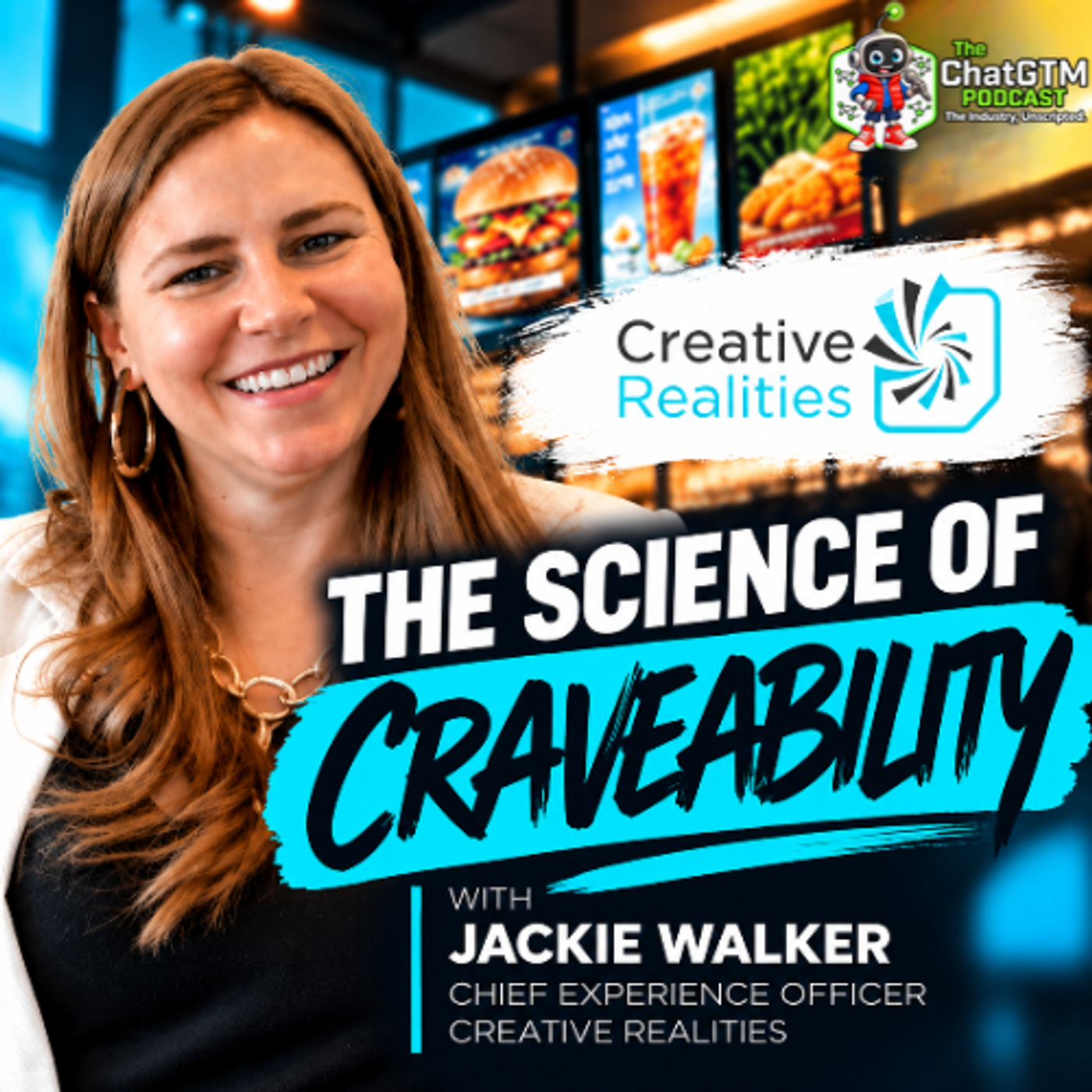
A restaurant can install beautiful digital menu boards and still ask customers to solve the same old problem: find dinner somewhere inside an overcrowded list. The screens are new. The decision is no easier. In her ChatGTM conversation with Beck, Jackie Walker, Chief Experience Officer at Creative Realities, argues that the investment only begins to pay its way when the experience keeps improving after installation.
Walker describes a familiar sales story: new boards arrive, customers notice, and the initial excitement produces a lift. Then the novelty wears off. She presents that pattern as a warning about relying on installation alone, rather than a guaranteed forecast for every restaurant. A business case built around a permanent first impression has a short shelf life.
Her alternative is to treat menu boards as a performance marketing discipline. The question becomes what the restaurant wants a customer to notice or choose, how the presentation supports that decision, and what the results tell the team to change next. Switching on the display is the beginning of that work.
Give the content a reason to be there
Walker connects craveability to context. Attractive food photography helps, but the image also has to belong in the moment. A customer should not need to reconstruct the advertiser's reasoning while deciding what to order.
She illustrates the problem with a detergent advertisement in a deli. A bottle on a screen has little obvious connection to the sandwich counter. Show someone biting into a sandwich and spilling mustard onto a white shirt, and the connection becomes immediate. It is an example of making relevance visible, not evidence that a particular campaign achieved a measured result.
The same discipline applies to a restaurant promotion. Our practical application is to start the creative brief with the customer's situation: ordering lunch quickly, choosing an afternoon snack, or feeding a family on the way home. The product image and message should answer that situation. A campaign that needs a long explanation from the marketing team probably needs another round of work before it reaches the screen.
A shared screen has a different job
Personalization has boundaries. Walker distinguishes a drive-through interaction, where a customer may deliberately identify themselves through a check-in, from a screen viewed by everyone at the front counter. Recognition can be useful when the customer understands why it is happening. Unexpected personal targeting in a shared space can feel intrusive.
Attention also changes with location. Walker contrasts a quick glance at a drive-through promotion with the longer viewing opportunity at a front counter. A lengthy video cannot assume the driver will wait for its payoff. Pouring, dripping or sizzling imagery may have room to work where customers have more time.
Motion is a way to direct attention, she explains, but making everything move removes that direction. Color presents a related challenge when the entire food range is golden and fried. Our reading for operators is to give the screen a clear visual priority and check it from the customer's actual position. The design meeting offers considerably more time and patience than a hungry person in a car.
Build a habit of testing
Digital boards make it possible to respond to availability, introduce products and serve occasions beyond a simple breakfast-versus-rest-of-day split. Walker points to snack periods, after-work visits and late-night behavior as reasons to think more carefully about when a message appears.
That flexibility needs an operating process. Walker describes brands applying the long, market-by-market testing habits of food launches to digital menu design. In her experience, those steps can stretch changes over many months. Meanwhile, the occasion or merchandising priority may already have moved on.
She describes Experience Intelligence, the team she leads within Creative Realities, as bringing strategy, research, creative production and data science together. The connection she emphasizes is between changing an experience and examining what happened afterward. For an operator, a useful starting experiment would name one intended customer action, one presentation change and the result the team will review. That is an editorial suggestion, not a test protocol supplied or validated in the episode.
The promise has to survive the bag
Near the end of the conversation, Walker brings the discussion back to food execution. The menu, app and loyalty experience cannot rescue an order that arrives wrong. Technology that makes the crew's job harder can damage the final experience the marketing was meant to improve.
That creates a useful limit on ambitious merchandising: include the people preparing and handing over the order in the discussion. A promotion should be understandable to the customer and practical for the restaurant to deliver. More attention is of little use when it draws people toward a promise the shift cannot keep.
Walker sees a continuing role for human judgment as creative tools become more automated. Deciding what will resonate, when to exercise restraint and how to leave someone satisfied still requires care. The next menu-board review should start with a person choosing a meal and end with that person receiving it. The screen is one part of earning the next visit.