The creative is only one part of the job
A restaurant can have a beautiful campaign and a frustrating ordering experience. It can have lively social accounts and incorrect hours on its business profile. Marketing does not get to declare victory because its own corner of the operation looks good.
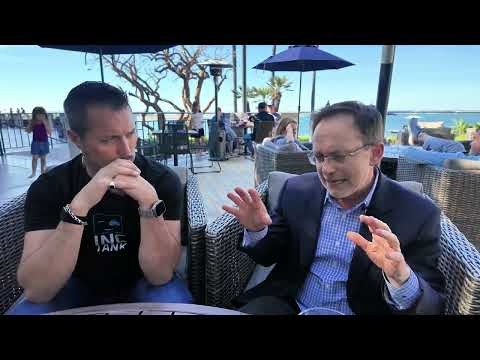
At the Restaurant Franchising Innovation Summit, Julie Wade joins Beck to discuss the work behind effective restaurant marketing. At the time of the interview, she describes fractional leadership roles, including work with Crazy Pita and participation in The C Society. Her perspective extends well beyond producing advertisements.
Wade explains that Barrago Marketing takes its name from the idea of a barrage: multiple coordinated efforts rather than one silver bullet. Creative, guest experience, technology and data all affect whether the work succeeds. A weakness in one can undermine effort elsewhere.
That is also why an outside marketing leader may find a different problem from the one in the original brief. A request for better campaigns can turn into a discussion about disconnected systems or information that nobody can confidently use.
Good data has somewhere to go
Wade describes a sequence that sounds simple until a team tries to perform it consistently: collect useful data, bring it together, understand it, act on it and review the result. The reporting has to inform the next decision, rather than merely prove that somebody produced a report.
She is interested in tools that let marketers ask ordinary-language questions about their business. Which item sells best on weekends? What is happening in a particular part of the operation? Easier access can help a team explore its information without turning every question into a separate technical project.
But the enthusiasm comes with a human responsibility. When Beck asks about AI-generated copy, Wade puts the concept and thinking with the person. Tools can then help adapt an idea for different lengths, formats or audiences.
For a brand, that is a useful division of labor. Decide what you mean and why it matters before asking software to multiply it. Faster production is not much of an advantage if every version carries the same poorly considered message.
A smaller budget still needs a deliberate choice
The interview includes Wade’s suggested starting point of $10 per location per day when discussing Google and Meta advertising. She would rather concentrate a constrained budget on selected days than spread it too thinly across the whole week.
That figure is her planning rule of thumb, not a platform requirement or a guarantee of results. Her larger point is about making an intentional choice. The days, audience and objective need to fit the restaurant instead of treating every placement as interchangeable.
She also cautions against reading revenue growth in isolation. Price increases can change revenue without bringing more people through the door. Transaction counts, covers and order trends help explain whether demand itself is improving.
Taken together, those observations suggest a better budgeting conversation: what behavior are we trying to change, when are we most likely to change it, and what evidence will tell us whether we did? Spending the allocation is an activity. Earning another visit is the outcome.
The brand has to sound like itself everywhere
Wade returns repeatedly to consistency across the places customers encounter a restaurant. Delivery channels, catering, online ordering, social accounts and the website should all feel connected to the same business. A customer should not need to work out which version is the real one.
She gives practical attention to the Google Business Profile, including hours, menus and current photos. These details may lack the glamour of a new campaign, but they can shape the first encounter. Getting someone interested is less helpful if the information they use to visit is wrong.
Influencer partnerships belong in that broader plan. Wade favors people with a real connection to the brand and discusses evaluating their work against the campaign’s objective. A large follower number alone does not answer whether the partnership makes sense.
The thread through the conversation is disciplined attention. Understand the guest, maintain the basics, make a clear creative decision and learn from the response. There is plenty of room for imagination. It works better when the hours are correct and the ordering link works.