Nobody woke up wanting to configure a box
Someone ordering breakfast for a meeting has a fairly ordinary problem: feed the room and get on with the day. A website can turn that into a small administrative project. Choose a box. Fill the box. Work out the drinks. Discover that the quantities do not quite fit. Start negotiating with the basket.
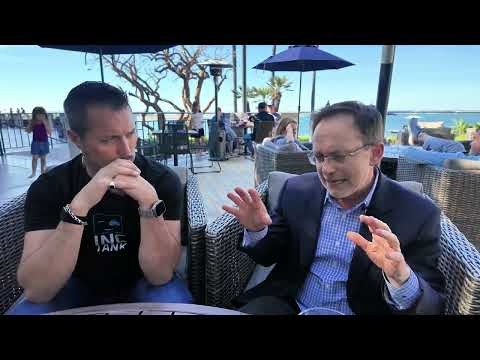
At the Restaurant Franchising Innovation Summit, Kerry Leo, VP of technology at Shipley Do-Nuts, tells Beck how his team approached that friction. They began by talking to cashiers and franchisees and examining the online ordering journey. The opportunity was not simply to add another feature. It was to make an existing task easier.
Leo describes a revised experience where customers add the donuts they want and the system recognizes when they have assembled a dozen. It can also suggest completing a box when an order is close. The customer does not have to understand the packaging structure before choosing breakfast.
That is a modest-sounding change with a clear purpose. It asks the software to handle a piece of coordination that the person placing the order previously had to manage. The product remains donuts. The improvement is how little work it takes to buy them.
The phone call is part of the ordering journey
Another example begins with a customer describing a birthday party for twenty people. Leo says the system can suggest an order, including drinks, which the customer can then edit. The suggestion provides a starting point without taking away the ability to change the selection.
He connects this work to what happens inside the shops. Staff had been spending time on the phone helping customers decide what to order for meetings. An easier online experience can reduce that consultation burden and give the team more time for guests already in front of them.
Leo reports an increase in average check on the digital channel after the changes. The interview does not provide an independently audited measurement, so that observation is best understood as his account of the rollout. The more transferable lesson is the connection between a customer-facing design decision and the workload behind the counter.
A checkout review should therefore include the people answering questions when checkout becomes confusing. Their conversations reveal what analytics alone may miss: the uncertainty that caused someone to stop clicking and pick up the phone.
A useful partner can work through the awkward details
The collaboration with Saivory began while Shipley was considering a website upgrade. Leo describes seeing potential in a catering-order form and exploring whether it could connect with the company’s existing ordering, loyalty and point-of-sale environment.
He puts the development period at roughly six months. What he emphasizes about the partnership is responsiveness: listening when something was not quite right, working through requests and adapting the experience. Those details explain his enthusiasm more clearly than a broad claim about innovation would.
The conversation also includes plans for the mobile app and a marketing dashboard. Those were at different stages when the interview was recorded. They should not be mistaken for a statement that every capability discussed was already available everywhere.
That distinction matters when learning from another operator. A promising direction, a working web experience and a fully deployed system are different things. Leo’s account is useful because the work is still visible, including the questions the team wants to address next.
Go back to the shop
Asked what comes next, Leo returns to people. He wants to visit shops, understand how employees use the technology and find ways to make their jobs easier. The purpose is not exhausted by whether the software has been installed.
His drive-up window example makes the point concrete. When ordering, payment and pickup all happen at one window, the next car waits through the whole transaction. A guest placing a large order can change the experience for everyone behind them. Leo describes work on drive-thru improvements and timing tools to help address that flow.
The thread connecting the projects is attention to the person doing the work or waiting for the result. Leo traces his interest in helping people back to an early hospital job. Technology, in his telling, is one way to clear obstacles from someone else’s day.
For a restaurant team considering its next project, that is a useful place to begin. Watch the task. Ask where it becomes difficult. Then judge the improvement by whether the customer or employee actually has an easier time. A feature list can wait until after breakfast.