Growth arrives in a cardboard box, too
A franchise agreement can describe a much bigger future than the restaurant’s current supply process is ready to support. The brand may be planning dozens of openings while somebody is still figuring out where to store the cups.
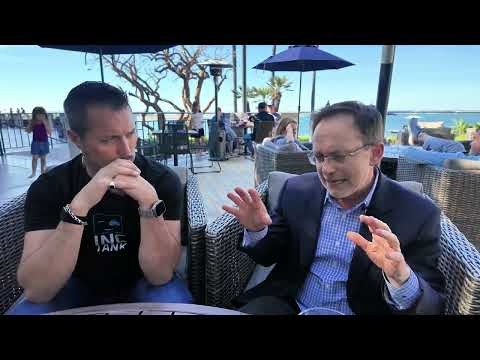
At the Restaurant Franchising Innovation Summit, Ramsey and Jamie Gilbertsen of Budget Branders join Beck to discuss that gap. They work with custom-branded restaurant supplies, including cups, bags and other disposable packaging. Their interest is in making the program repeatable as a business grows.
Beck identifies Budget Branders as a client during the interview. That relationship is part of the context for this conversation; the account below explains the guests’ approach rather than presenting an independent supplier comparison.
Their story begins on the operator side. Running Fry Nation, they encountered products they could not easily source and learned how to bring them in themselves. Requests from other operators helped reveal a business opportunity. The problem came first, and the supplier business followed.
The cheapest order is not the whole equation
The Gilbertsens describe emerging brands that have a few locations but ambitious franchise commitments. If every franchisee solves packaging independently, the result can be inconsistent products and a brand that looks different from one location to the next.
Their proposed response is to establish a program early enough that it can grow with the business. That includes how products are sourced, how they move to the restaurant and who handles the decisions when circumstances change.
The Hybrid Program combines imported primary volume with domestic production capability at their Michigan facility. They describe the domestic option as a way to respond when shipping, manufacturing or unexpected demand disrupts the plan.
This is their explanation of the model, not a promise that every product or situation can be resolved immediately. For an operator evaluating a similar arrangement, the practical questions are which items have backup coverage, how quickly that coverage can be used and what it will cost. The contingency deserves as much attention as the initial quote.
Buying extra can move the problem into storage
The conversation considers a company holding a very large supply of bags. Ramsey suggests that a previous stockout may have driven that decision. It is an understandable response: after running out once, having far too much can start to feel reassuring.
But inventory still has to live somewhere. A small business may be storing supplies at home, while a larger operation needs a distribution approach that fits how franchisees receive their other products. The Gilbertsens describe working with those different stages, including shipping into broadline distribution.
The underlying issue is coordination. Product selection, demand, storage and delivery cannot be treated as unrelated decisions. A purchasing choice that looks efficient by itself may create work somewhere else in the operation.
For a growing brand, reviewing that whole path before the next expansion is worthwhile. Who tracks the requirement? Where does stock sit? How does a location replenish it? What happens when openings come faster than expected? These questions are easier to answer before an urgent shipment becomes the morning’s main event.
The logo leaves with the guest
Packaging also carries the brand beyond the counter. Jamie discusses catering, where people may enjoy the food without knowing who supplied it. A branded item helps connect the experience with the restaurant that created it.
A cup can travel out of a meeting and through an office. Wrapping can remain in a photograph of the food. These are ordinary moments in which the product becomes visible to someone who never placed the original order.
The interview does not measure those impressions or establish a return on investment. Its useful observation is simpler: packaging has both an operational job and a communication job. Choosing it only as a disposable expense can overlook the second role.
That brings the growth discussion back together. A brand needs products that arrive when required and look like they belong to the same business. Thoughtful sourcing protects the operation; consistent presentation helps the next customer recognize it. Neither job becomes less important because the item is a paper cup.